
SE 2050 Highlights
On December 16, 2019 the Board of Governors of SEI unanimously voted to support the development of the SE 2050 Commitment Program:
“We, the Structural Engineering Institute (SEI) of the American Society of Civil Engineers (ASCE), support the vision and ambition of the SE 2050 Challenge. We, as a leading structural engineering organization in the United States, recognize the need for coordinated action across our profession to achieve the globally stated goal of net zero carbon by 2050.”
What is Embodied Carbon?
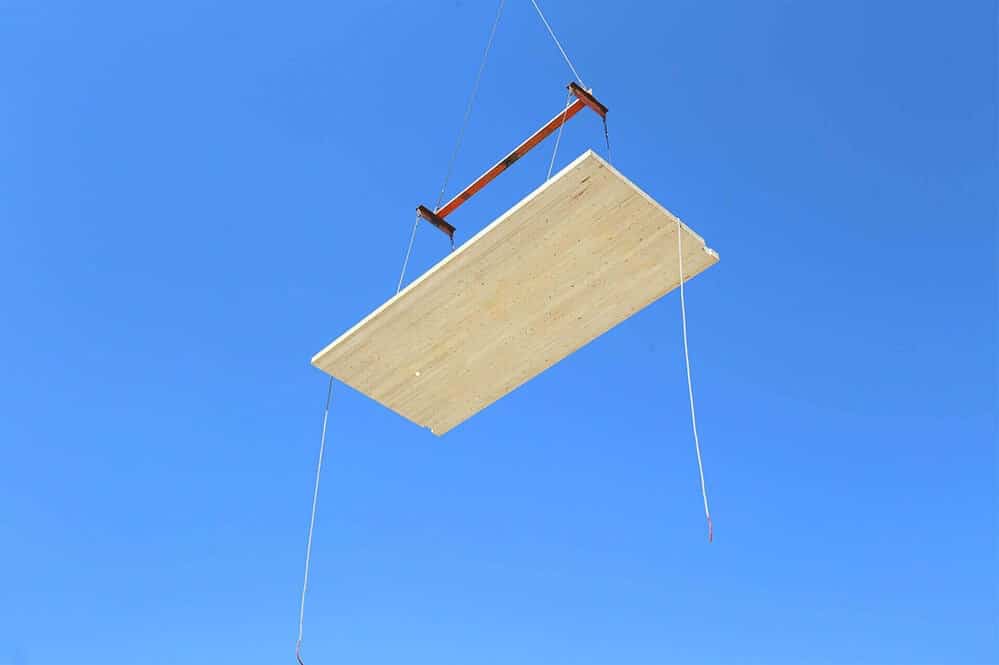
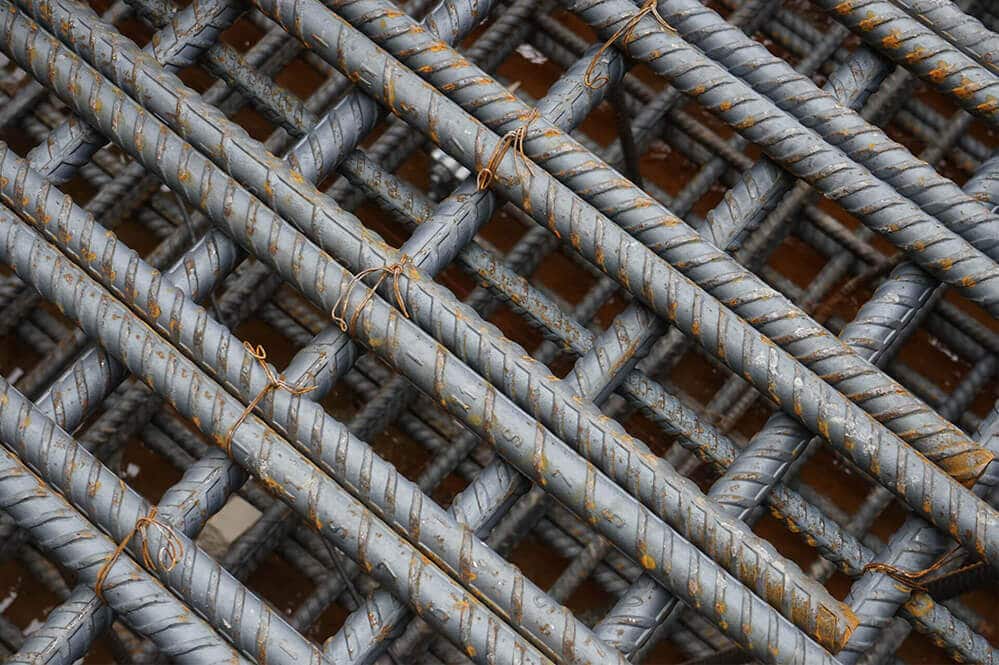
Embodied carbon refers to the upfront emissions associated with the raw material extraction, fabrication and installation of building materials.
Measuring Embodied Carbon for Structures
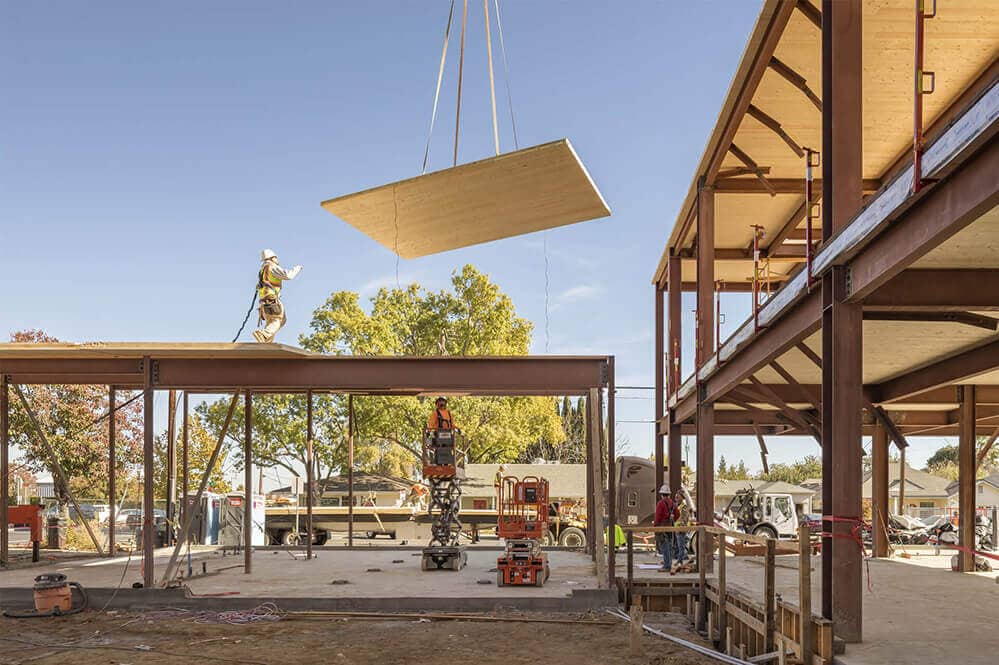
There are different ways to measure the embodied carbon of structural systems and all offer varying degrees of information on the overall impact of the system. In general, the most common is to to either consider the entire life cycle of the building from cradle-to-grave or to only consider the impact of product stage of the building materials from cradle-to-gate. Each has benefits and deficiencies. All ways to measure impacts also includes a variable level of what components are actually considered.
Who We Are
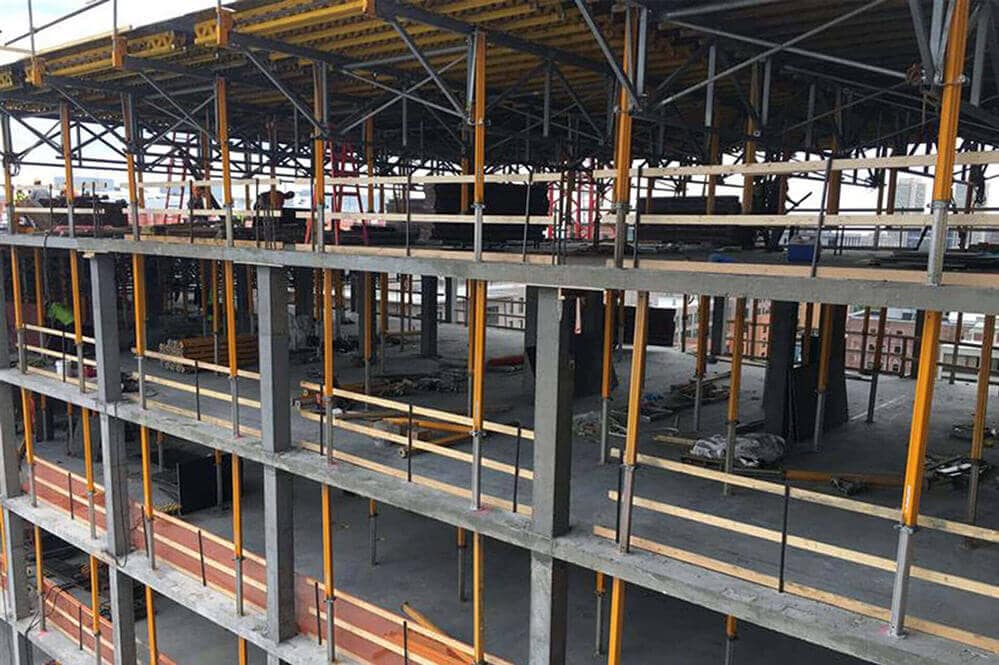
SE 2050 is a group of structural engineers dedicated to developing and managing a comprehensive program designed to ensure substantive embodied carbon reductions in the design and construction of our structural systems by the collective structural engineering profession. Our mission is to support our professional community in the goal of net zero embodied carbon structural systems by 2050.
What Is SE 2050?
Our ultimate goal is to achieve net zero embodied carbon structures by 2050 by providing the structural engineering community the resources and guidance they need to make this goal a reality. We also provide our community the current state of structural system embodied carbon nationally by publishing current trends and benchmarks and push our community for reductions by providing annual embodied carbon targets to achieve net zero by 2050.

Join The Conversation
Join the conversation by engaging with the Carbon Leadership Forum’s Community. If you cannot find answers to your questions on our site we encourage you to use this forum to ask your fellow practitioners as well as non-structural engineers your questions related to embodied carbon of structural systems as well as the building industry in general.
130
Firm Commitments
1500
Projects Submitted for Tracking
130
ECAPs Received
Voicing Our Support
"Reduction in embodied carbon in our built environment has risen to the top of structural engineering agendas globally. I applaud and endorse the goals of the SE 2050 Embodied Carbon Challenge."

Glenn Bell, PE
Past President, Structural Enginnering Institute (SEI)"The Carbon Leadership Forum is thrilled that SEI accepted the vision of our Structural Engineer's 2050 Embodied Carbon Challenge. Industry leadership like this is critical to ensure we work together with collective action for greatest impact."

Kate Simonen, AIA, SE
Director, Carbon Leadership Forum"Its incumbent on the structural engineering profession to recognize the role the structural engineer plays in embodied carbon reductions. We are excited to join the developing SE 2050 Commitment Program along with other firms to collectively find ways to reduce embodied carbon of our structural systems."

Bill Lovallo, PE
Chairman, LeMessurier
Join our commitment to zero.
Let's make a difference together.
Embodied Carbon Prespectives
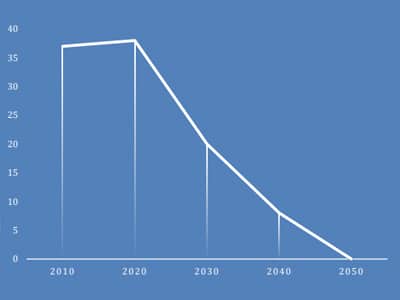
Achieving Net Zero Embodied Carbon in Structural Materials by 2050
On March 23rd, 2020 the Carbon Working Group of the Sustainability Committee released a white paper that explores the pathways for which structural materials can achieve net-zero embodied carbon emissions by 2050.
How to calculate embodied carbon
Calculating embodied carbon in the same rigorous way across all designs will allow meaningful comparisons to be made between structural schemes, developing our understanding of embodied carbon as well as how the industry can most effectively reach net zero carbon.
Climate Emergency
The climate emergency is the greatest threat to our planet. Structural engineers have a responsibility to help mitigate its effects by changing the way buildings and infrastructure are designed, commissioned and constructed.